Clown Tours in Lebanon with Syrian Refugees and Lebanese community

 The year 2014 was amazing for our Clowns Without Borders Clown Me IN trips in Lebanon.


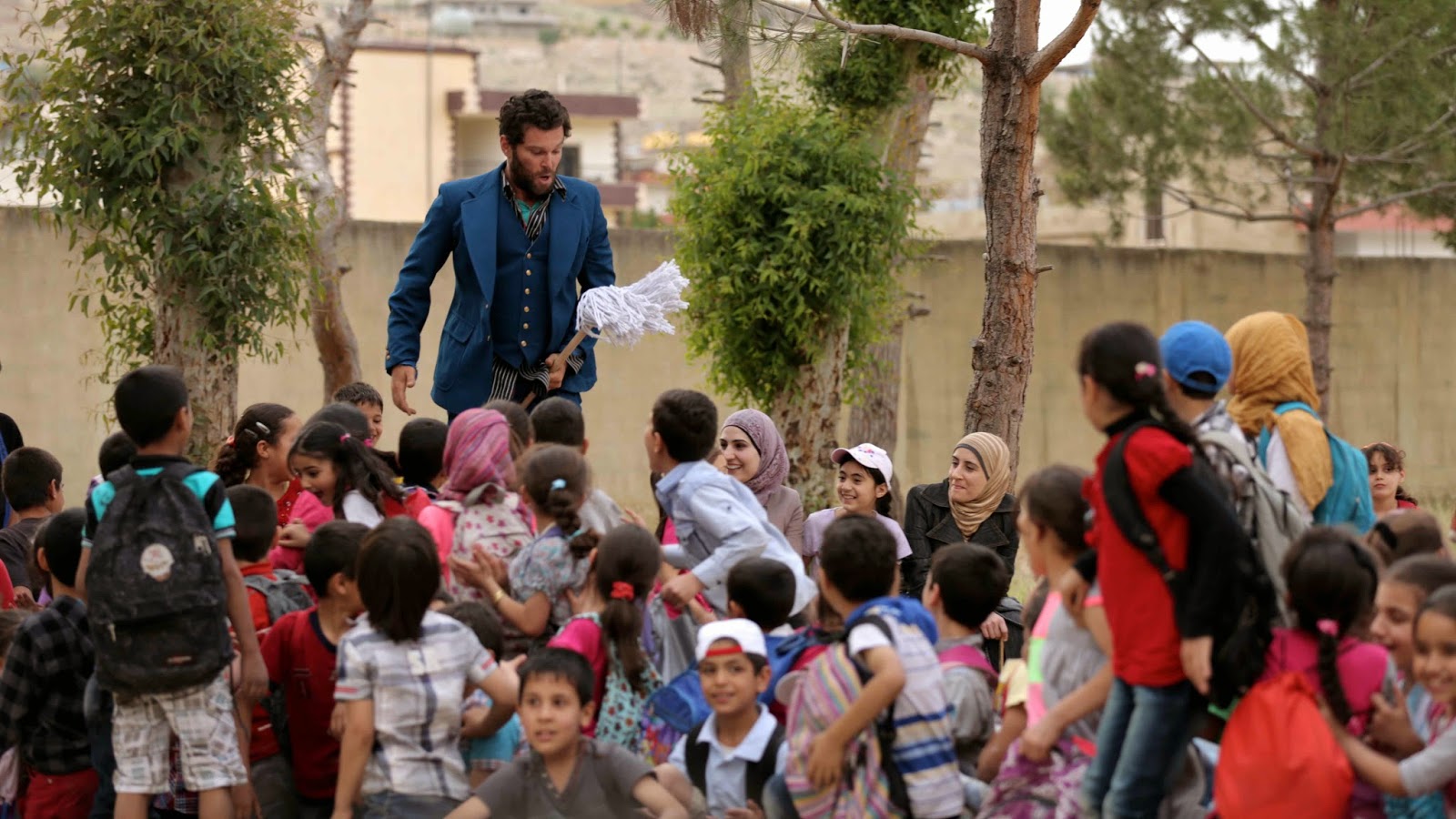
December 1rst till 17th we were touring in different Lebanese schools, partnering with MAG and LMAC who’s one of their many missions is “mine risk education”.
Clowns and mines education? it was definitely a super challenging theme. Samantha Holdsworth, Jan Damm, Clay Letson and myself accepted this fun challenge and came up with a super fun 30min performance. It was fun for us and I guess also fun for the kids.
Jim Muir from BBC followed us in one of our tours on the borders.

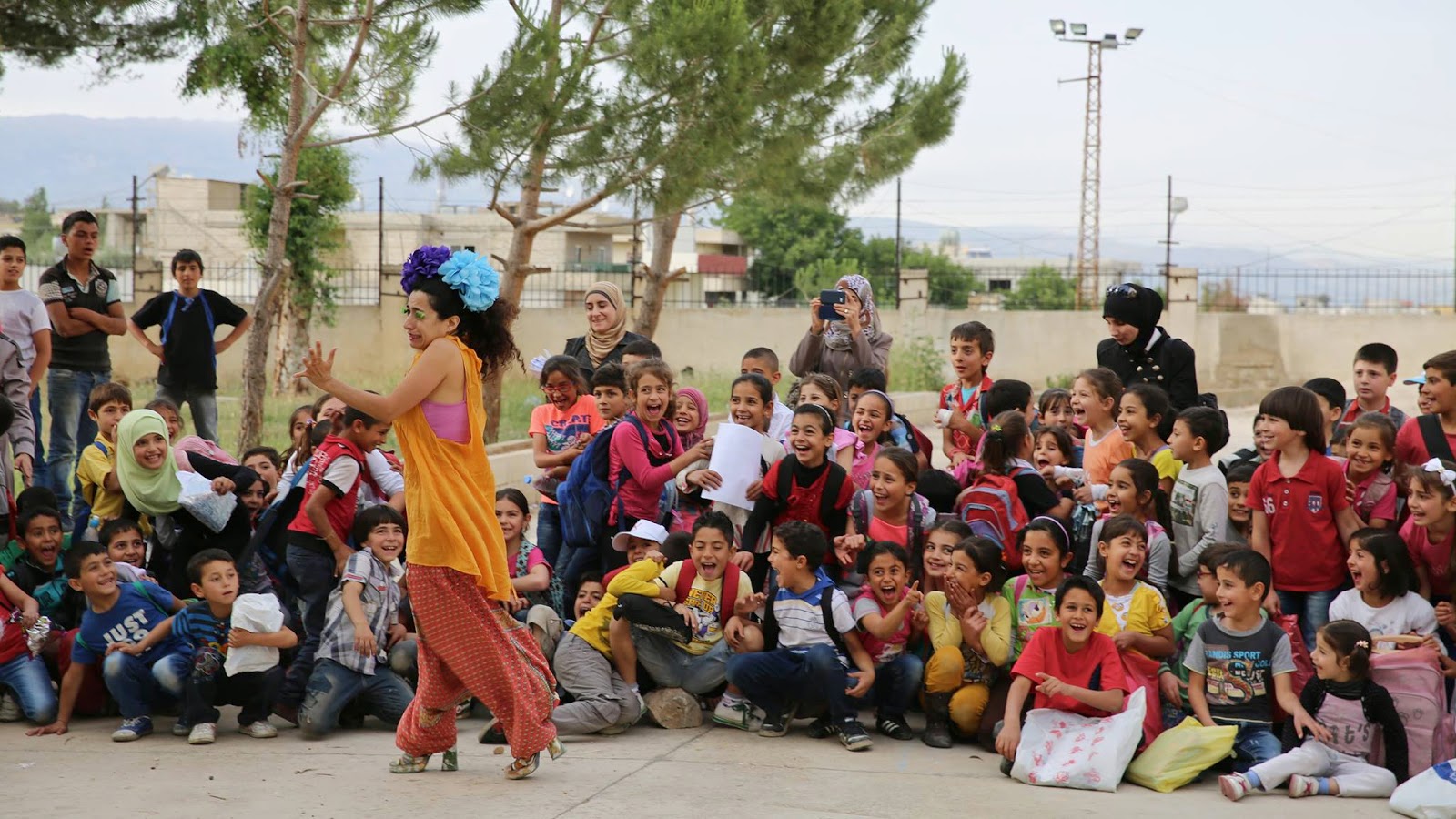
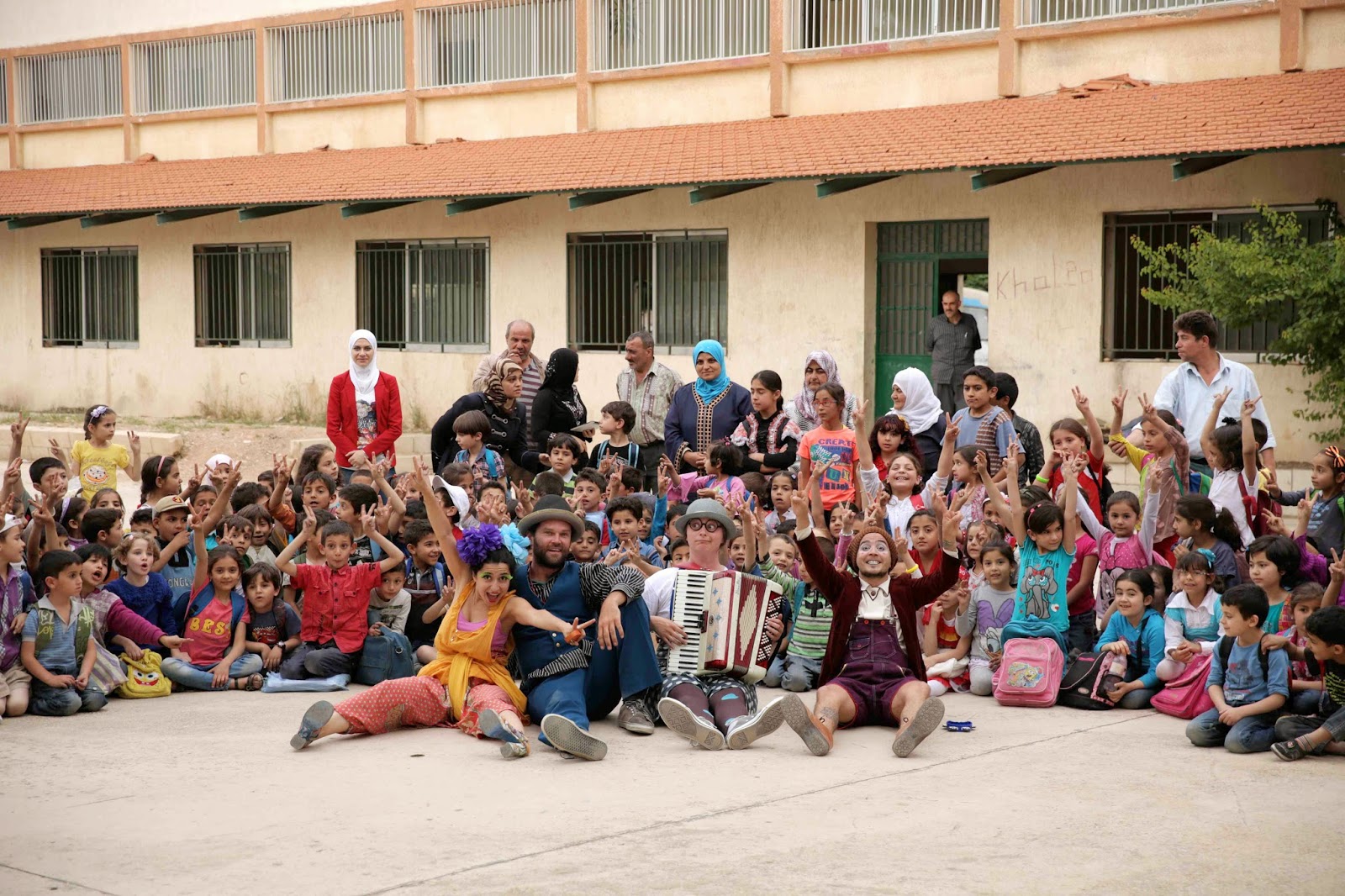
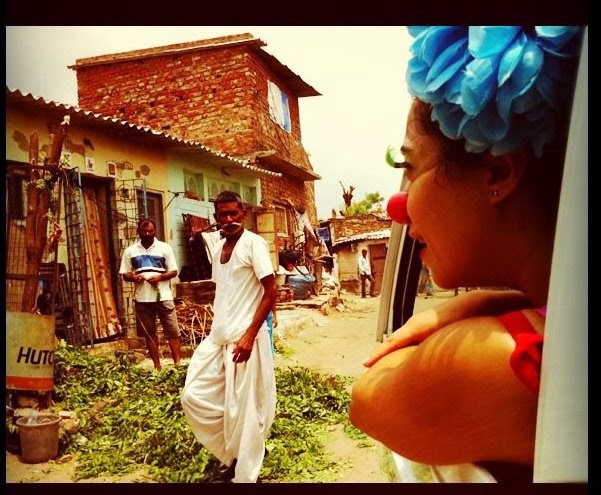
In June, CWB partened with Layan organisation- 4 clowns – Luz Gaxiola, Dave Clay, Claudio Martinez and myself – performed and gave workshops for Syrian refugees in the Bekaa and in the North of Lebanon.

photo by – Farah Kassem

We spent 15 days, performed 19 times for over 3800 kids.

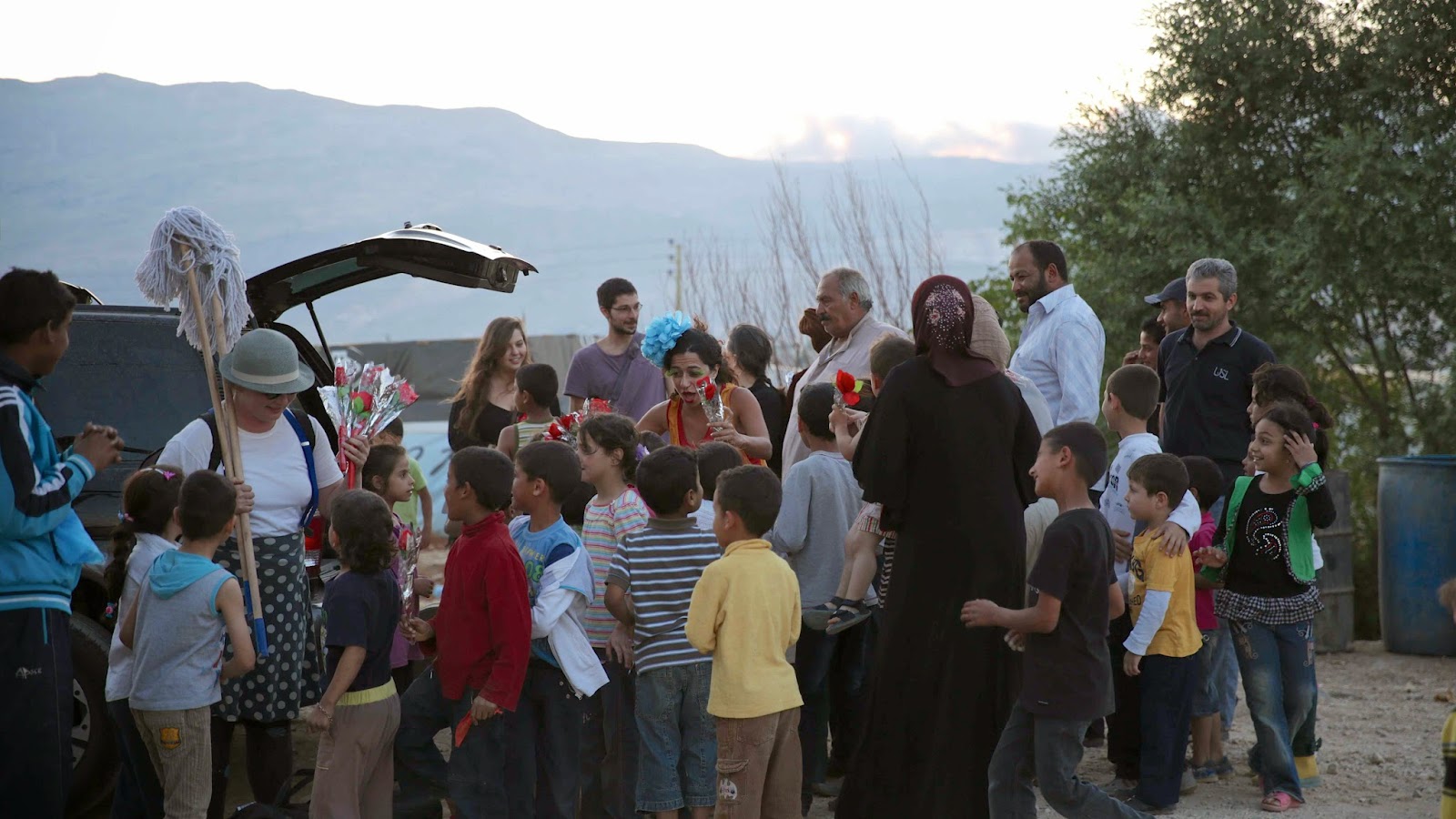
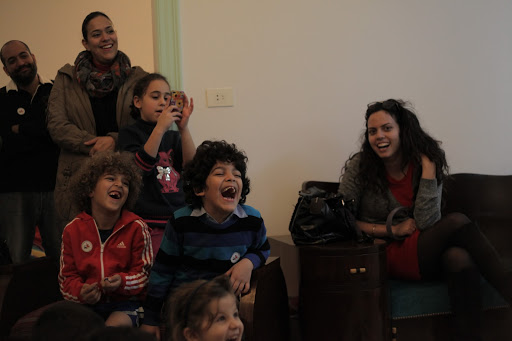
It was an amazing amazing experience. I remember many sweet moments but one of the best was when we were performing in the back room of a mosque in the Bekaa and one guy was passing by!!! he loved what we were doing and asked us if we could go perform for the kids at the camp where he lives.

Photo by Farah Kassem

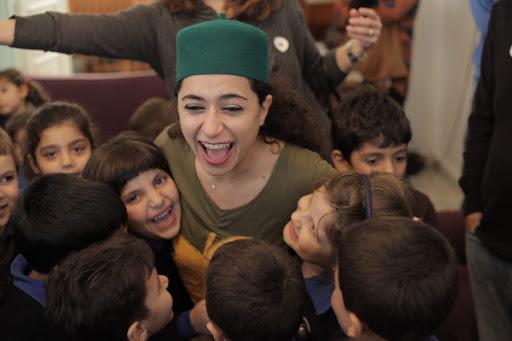
Us clowns, we loved the idea, and without even giving it a second thought we went. We were welcomed by tons and tons of red flowers held by the kids who were jumping around, laughing and hugging us…

Photo by Farah Kassem

Photo by Farah Kassem

Below I am sharing the work of the AP journalist Simone Camilli –
Simone passed away while covering the Gaza war few months after doing this awesome work.

http://www.aparchive.com/metadata/Any/fb6d0305aaadc225b3ef67a1c118aece#

IRC – Social Therapy in Jordan

A group of devoted, super excited, flamboyant young Syrian refugee girls in Ramtha-Jordan hit the streets today to send as message. They had a clear target, playing along with people on the streets, using home made cupcakes as vehicles to send a message changing attitudes in Jordan towards Syrian female refugees.

The group formed of 18 girls between the age of 13 and 19, 4 of the IRC team members and myself spent 2 weeks of social therapy in Ramtha-Jordan, the home of more than 60000 Syrian refugees now. We laughed together, played like kids, listened carefully to each other stories, shared the grief, supported each other and most importantly created something new out of what exists.

Usually in this kind of sessions and while sharing stories, the group points out some of their life difficulties and create practical positive ways to deal with them.

Being a female teenager is tough. Add being a Syrian refugee to the mix, and it’s not exactly the most pleasant way to spend the most sensitive years of your life. Not only have the girls expressed regular teenage frustrations, but they also feel they’ve lost the things they are familiar with that would have made those frustrations easier to deal with: their friends, their homes, their rooms, their belongings. In addition, being in a foreign country has had its challenges. The majority of Jordanians have really embraced the new refugees into their communities, but some have had a harder time adjusting to the new changes. Some of the Syrian girls said they experienced bullying in school, being called “strangers” and having a hard time fitting in with the other Jordanian girls as the stigma of being a refugee looms large. This, they said, hurt their self esteem and sometimes made them feel insecure.

Their own therapy started by a small idea. Wanting to send a clear message to the people they fear the most- the Jordanians. It was an amazing process where these “mostly” shy girls let their imagination drive the conversation. Each one added one more idea to the previous one, and in no time we had a project created and ready to execute. Only then, they all went silent for a moment, looked at each other amazed by the final product they came up with and went: “Oh no, how did we even come up with that? We can’t walk on the streets and distribute cupcakes, what would people say?” “What if people we know see us?”

“We cannot do it it’s impossible! “

But still there was something deep down motivating them. They formed 2 committees, organised the day, went to the supermarket, bought what is needed prepared the kitchen for a long day of baking cakes and started thinking about the messages they want to send.

That day was one of the most amusing, fun days we spent together. The centre was vibrating, loud Arabic music playing, some girls baking, others brainstorming, typing, cutting pieces of papers, gluing, decorating the cakes, laughing and dancing from time to time.

10 min before hitting the streets, half of the group decided that they can’t do it, they were too scared to face the world outside. Wasn’t long before we all convinced them and off we went.

Our first stop was at the butcher’s shop next to the community centre, one of the main characters that the girls despise and fear every time they pass by him. He thought the initiative was amazing, he said “I am going to take this cupcake to my wife, we always wondered what you girls do in this centre everyday”.

The excitement of the girls was growing with each step they took far from the centre. They made 160 cupcakes with 15 different messages among which: “ I am like your mother, daughter and sister. Treat me like you want other people to treat them”. “Border is an imaginary line why use it with us?” “ All I am worried about now is how we will pay rent and eat, please don’t make it harder on me” “thank you for welcoming us” etc. They reached more than 160 people. One of the girls who initially didn’t want to go on the streets stopped at one point took more cupcakes and said: “ this is super exciting, I think I can easily do it. Give me more cakes to share with people”.

For the girls, this project gave them the opportunity to go beyond themselves, to support each other, boost their self-esteem and play with people that they never imagined playing with.  They did what was impossible.

On their way back the butcher made sure to greet them and they greeted him back.

They simply remade their world by baking some cakes.

Social Clowning


oh Yes
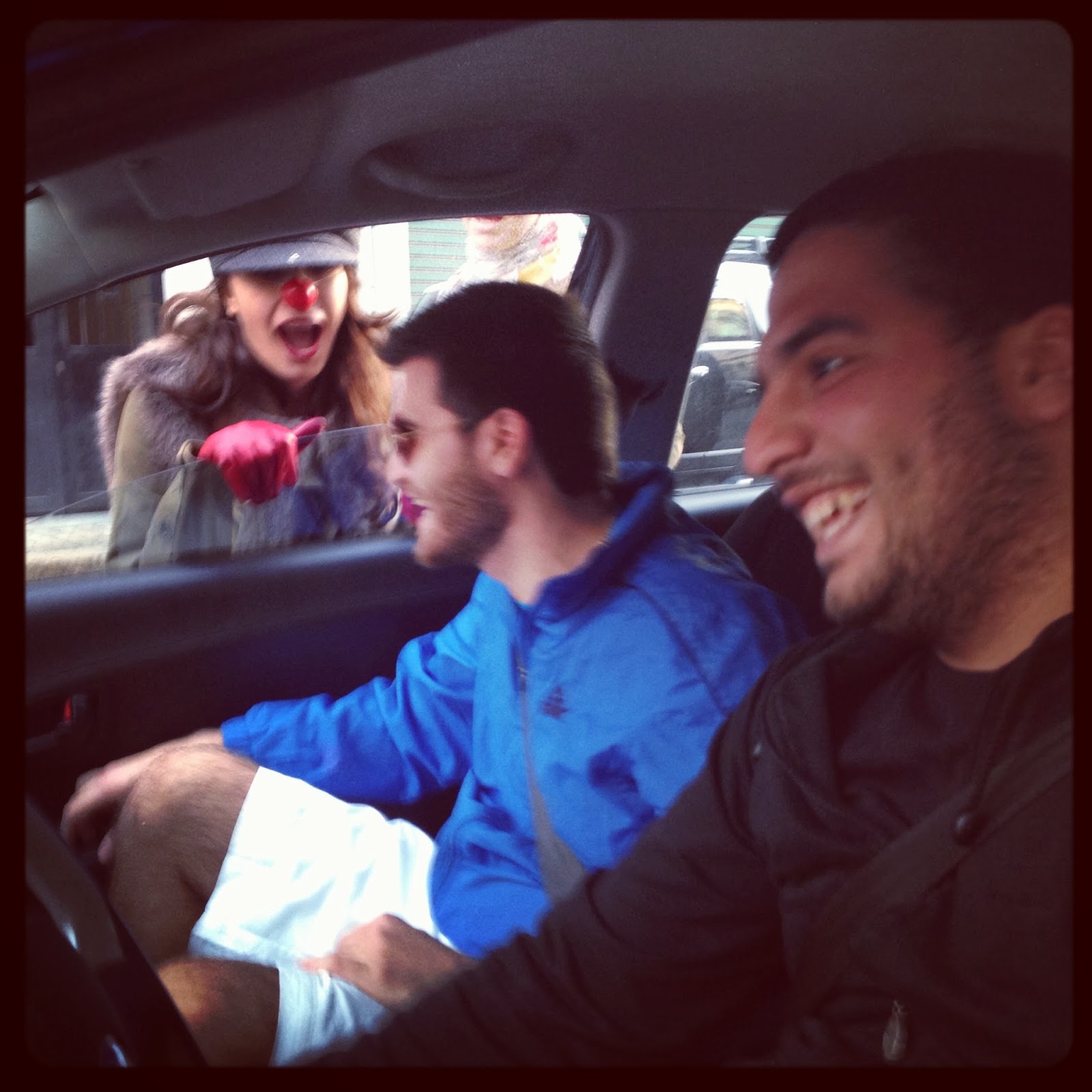
Clown Me In Lebanon claims responsibility for Beirut clown attack!

 
People not stopping on traffic lights is a common huge problem in Lebanon. Needless to tell you how many times I was about to hit a car, a motorcycle or a pedestrian just because I didn’t know I had to stop on the GREEN light!!!!

Add to this that I’ve always wanted to do social clowning! 
And during the last Clown Me In workshop, a marvelous group of clowns was formed and they all had amazing social clowning ideas. 


So we thought !!!!! WHY NOT. Let’s hit the streets for some Clown Me In attacks. 

 We simply congratulated people who stopped on the red light in our own clown way.
And guess what, the few people we met have had so much fun and pushed us to do more and more! 


The only person who was ticked off was the POLICE man he said: ” what if a VIP person – a minister for instance- passes from here and doesn’t want to have clowns coming close to him?” 
and he kicked us out of the street!!!!  

Fine, next time we will make sure to have a special clown permit and warning for VIP people to stay away…

Click on the links below to see more pictures of the two events and keep yourself posted of our new Social Clowning in Lebanon every week by liking/clicking on our FB page

Event of the 16th of February 2014
Event of the 22nd of February 2014

 ps: if you have any ideas for our social clowning and/or would like to join us, please leave a message here.

Clown Me In workshop / Lebanon

                                            It’s this time of the year again 🙂 

Don’t we find ourselves stressed and anxious all the time?
وقرفنا وزهقنا من الحالة

Here’s an opportunity to spend 5 days of laughter and fun. Meet a new group and experience something totally different.

Put on a red nose/ Step on stage/ Dig into yourself

Clown Me In is inviting you to its new workshop between the 10th and 14th of February 2014
between 6.30 and 9.30 pm
fees: USD 175
USD 150 for registration before the 4th of February

PLACES ARE LIMITED –

For more info about the workshop, you can watch the following link
http://www.youtube.com/watch?v=Tlau5LmdTV8

for registration contact sabine@clownmein.com

What’s in the workshop:
We will discover how to unlock our clown, say yes, dig into our most ridiculous fears, most absurd fantasies, most impressive talents and our deepest dislikes… and we will laugh and play with our clowns
The aim is simple, discover and accept the Clown that lies beneath each of us, and let it coexist with oneself in society.

About Clown Me In
Clown Me In is a theatre company founded by Sabine Choucair from Lebanon and Gabriela Munoz from Mexico, two actors trained in physical theater in London.
Clown Me In uses clowning to explore human dynamics and vulnerabilities, giving people a new way to learn about themselves through clowning workshops and performances.

"Sleepless Nights" and the Clown (Me In)

Sleepless Nights ( documentary dir.Eliane Raheb)
Through the stories of Assaad Shaftari, a former high ranking intelligence officer in a Christian right wing militia, responsible for many casualties in the protracted civil war in Lebanon and Maryam Saiidi, the mother of Maher, a missing young communist fighter who disappeared in 1982, the film digs in the war wounds and asks if redemption and forgiveness are possible. 

One of the scenes shows bits of the process from when Assaad Shaftari was taking a Clown Me In workshop. 

Naturally, we (Gabriela Munoz and myself- Sabine Choucair) were so thrilled to have someone like Assaad Shaftari going through the workshop. Moreover, we were very happy to have been involved in such an important movie like “Sleepless Nights”.

I have been reading and hearing lots of controversial reactions toward this scene. ( mostly extreme ones)

Below some bits and pieces from different articles. Would love to hear your thoughts in case you’ve watched the movie. 
And if you haven’t yet, it is still showing in Lebanon @Metropolis Empire Sofil, Achrafieh, at 4:30 pm, 7:15pm and 10:00pm ( until the 30th of October)  
Shattuck Cinemas (Berkeley)
Oct. 26, 2013 2:30 pm 
bits and pieces: 
“في الفيلم مشهد يلعب فيه أسعد الشفتري دور المهرج، كل من يشاهد الفيلم سيصاب بنوبة محددة أثناء مشاهدته ربما ضحك وربما بكاء، وربما سترتسم على وجهه ضحكة والدموع تنهمر. مشهد المهرج يحملنا الى العلاقة الجدلية بين الأمل والمسامحة الذاتية وعلاقة الآخرين وموقفهم من الجريمة. ظهر في عيون أسعد أنه لم يسامح نفسه، يقول ابنه في أحد المشاهد ” لازم يخفف اعتذارات “. ربما هو لن يتوقف عن الاعتذار لأنه لم يعترف بكل الأخطاء بعد. ” 
In the film, Assaad Chaftari plays the role of a clown. While watching this scene you will surely feel something extreme, you might laugh or cry, and maybe smile and cry at the same time.  This clown scene leads us to the dialectical relationship between hope and selfforgiveness and the relationship with others. we could see in the eyes of Chaftari that he did not forgive himself. His son says in one of the scenes: ” he should apologize less”. Maybe Chaftari won’t stop apologizing because he did not confess all his sins yet”. 
“قالت لي سيدة صديقة بعد العرض أنها لم تجد مبرّرا لمشهد تمثيل أسعد الشفتري دورَ “المهرّج” كما لو أنه خرج عن موقعه في فيلم وثائقي. أنا كان رأيي العكس تماما. لقد بدا المشهد أحد أقوى عناصر الفيلم وأكثرِها إبداعاً. إنْ لم يكن أقواها. كان هذا المشهد، الذي أدّاه الشفتري بنجاح، التعبيرَ – الذروةَ عن المسافة الشاسعة عن نفسه التي استطاع تحقيقها. كانت قدرة مفاجئة على التهكّم على نفسه. التهريج بمعنى المعاقبة الشديدة للنفس. وبهذا كانت لحظةَ قوّةٍ للفيلم ولأسعد الشفتري لا لحظة خِفّة… غيرُ التوثيقيِّ أي المتخيَّلُ يؤكّد قوّةَ التوثيقي أي الواقعي. أكاد أجزم: يؤكّد صحة التوثيقي.” جهاد الزين- جريدة النهار


“A lady friend told me that she did not find any justification for the scene where Assaad plays the role of a clown, as if he came out of his position in a documentary film . I had the exact opposite opinion. The scene was one of the strongest and most creative parts of the film. This was the scene where Chaftari alienated from himself.  He had this great capacity of ridiculing himself. Clowning in the sense of self punishment and for that this was a moment of strength etc…” Jihad El Zein, Annahar newspaper
 
“In other places, the film appears to fragment its images for the sake of style. It veers into outright surrealism late, when Abbas is shown acting as a clown during a therapy session. The filmmakers think this is important enough to title this section of the film, “The Clown,” but I found it digressive and mannered, a quality that it transfers to the overall film itself. It tends to recast Abass’s participation in the reconciliation process as a farce, though that’s admittedly the point. These kinds of arty excrescences are an encumbrance on a film that is probably too long.” krelllabs.blogspot.com
“In one morbidly hilarious and satisfying scene Saiidi bitingly dismiss the psychobabble of a therapist blithely sweeping matters under the rug; in another, Shaftari performs as a clown in a theater exercise. These are “scenes” in the sense that Raheb is constantly searching for new twists and turns on engaging with and reconsidering the past. ” Nicolas Rapold, filmcomment.com
 “Sleepless Nights spins to an almost surreal final act, as the performative aspects of cultural “remembrance” are shown in clown shows and cheesy songs.” Robert Greene, Hammer To Nail.com
“Raheb supplements the film’s emotional palette with sparks of humor – often in the wry observations of Shaftari’s wife and son – and a peculiar moment near the end of the film when the retired assassin is shown performing during a clowning workshop, red nose and all.” Jim Quilty, The Daily Star
 
في أحد المشاهد الختامية، تتبع المخرجة الشفتري في جلسة علاجية يتحوّل فيها الى مهرّج، ونراه للمرة الاولى في وجه مختلف. ساندرا الخوري Albaladonline
 
In one of the final scenes, the director follows Chaftari to a therapy session where he becomes a clown, and for once, we see a different face of him. Sandra El Khoury, Al Balad Online newspaper


Are the slums of Egypt any better than other slums in the world?

I spent 15 days in Egypt during the month of June. 
I initially went to volunteer with Al Mawred in the slums of Cairo and more precisely in Istabl Antar and Ezbet khayrallah area! 

The kids! and the slums ! 
when i first got there i couldn’t help but wonder if they were any worse than the Indian slums! or the Brazilian ones! 
well.. at least people in Istabl Antar are productive (something that is rare to find in other slums i visited)
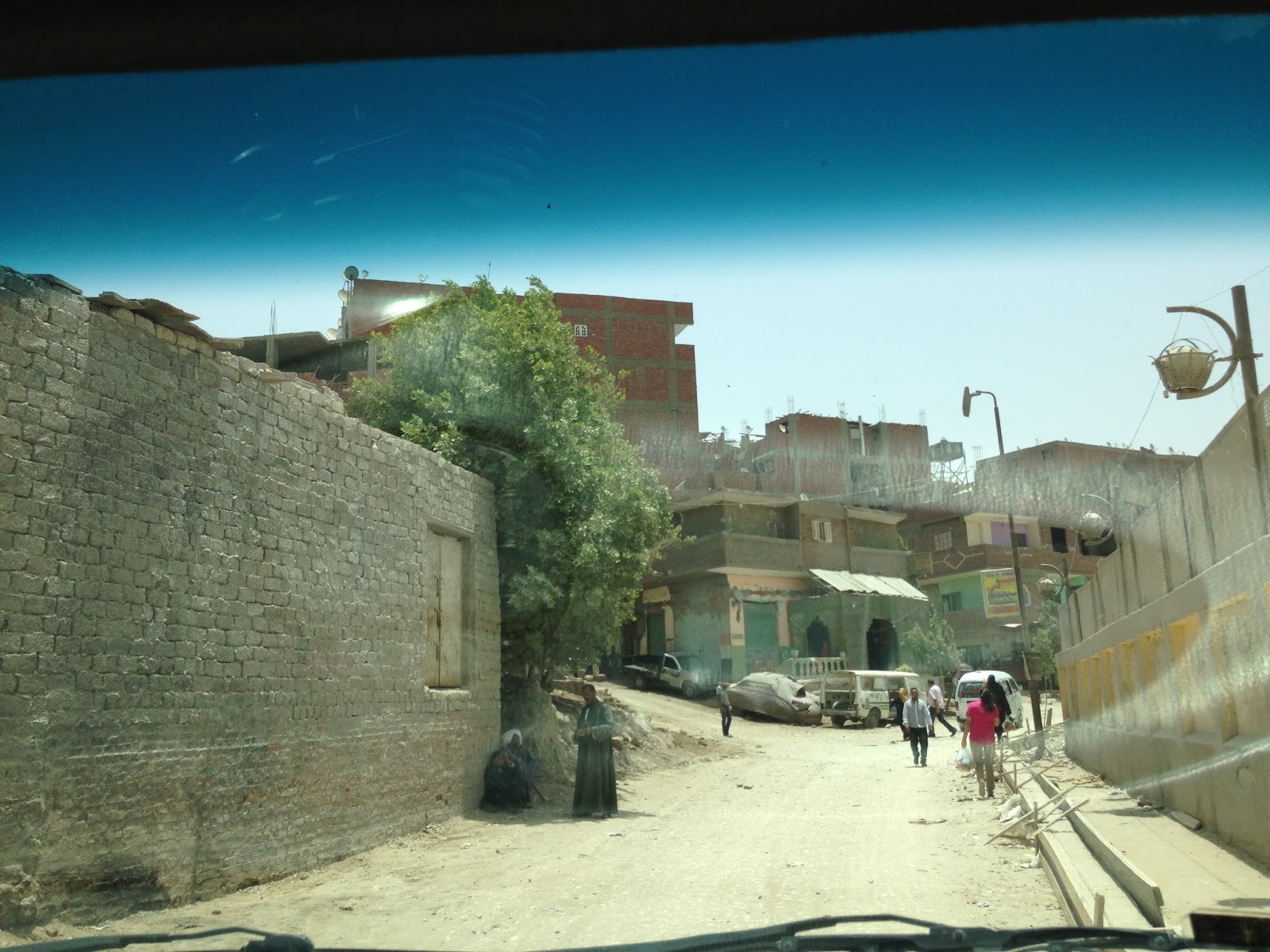
On the way, from the mini bus window

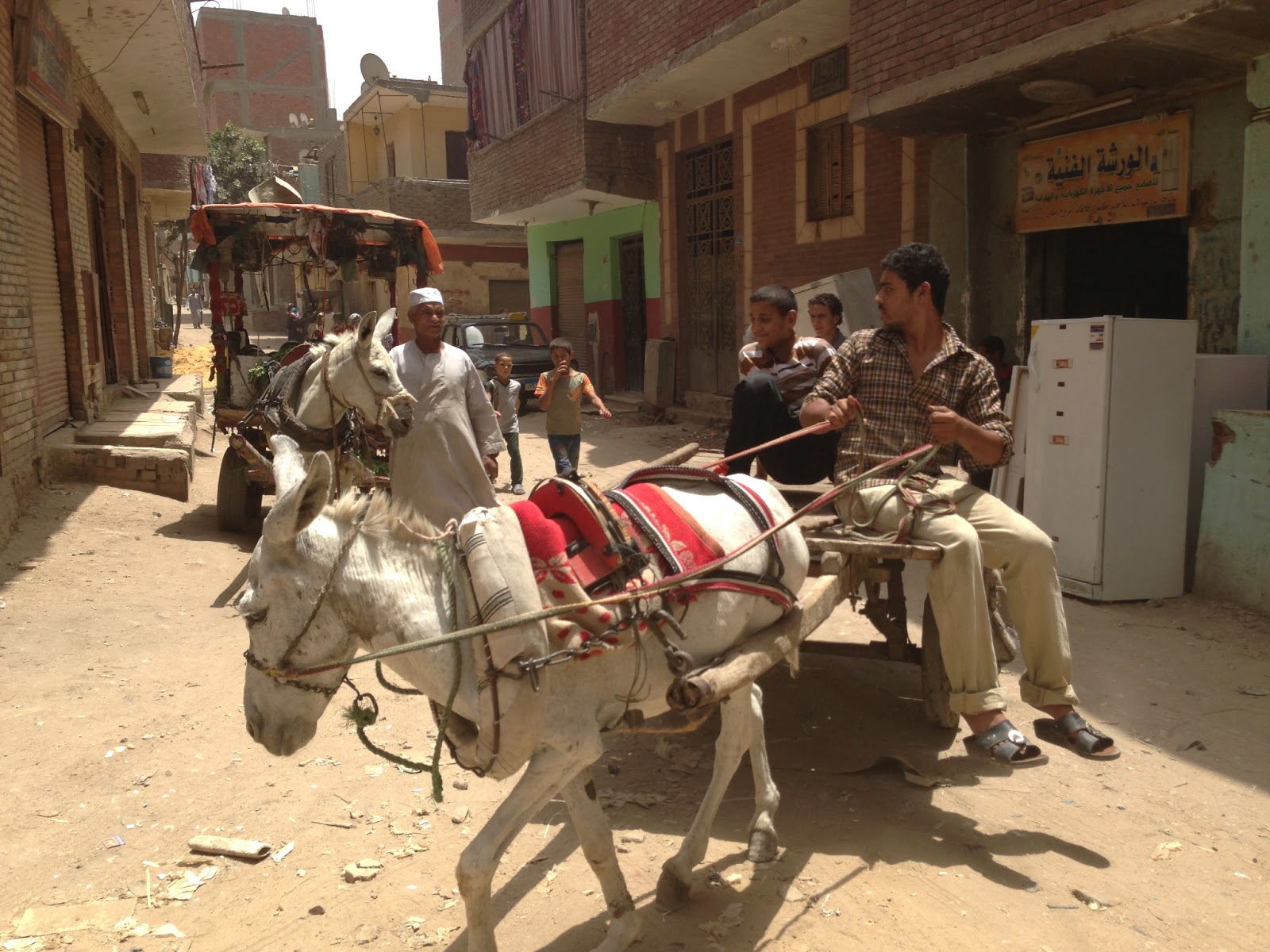
First picture i took upon my arrival

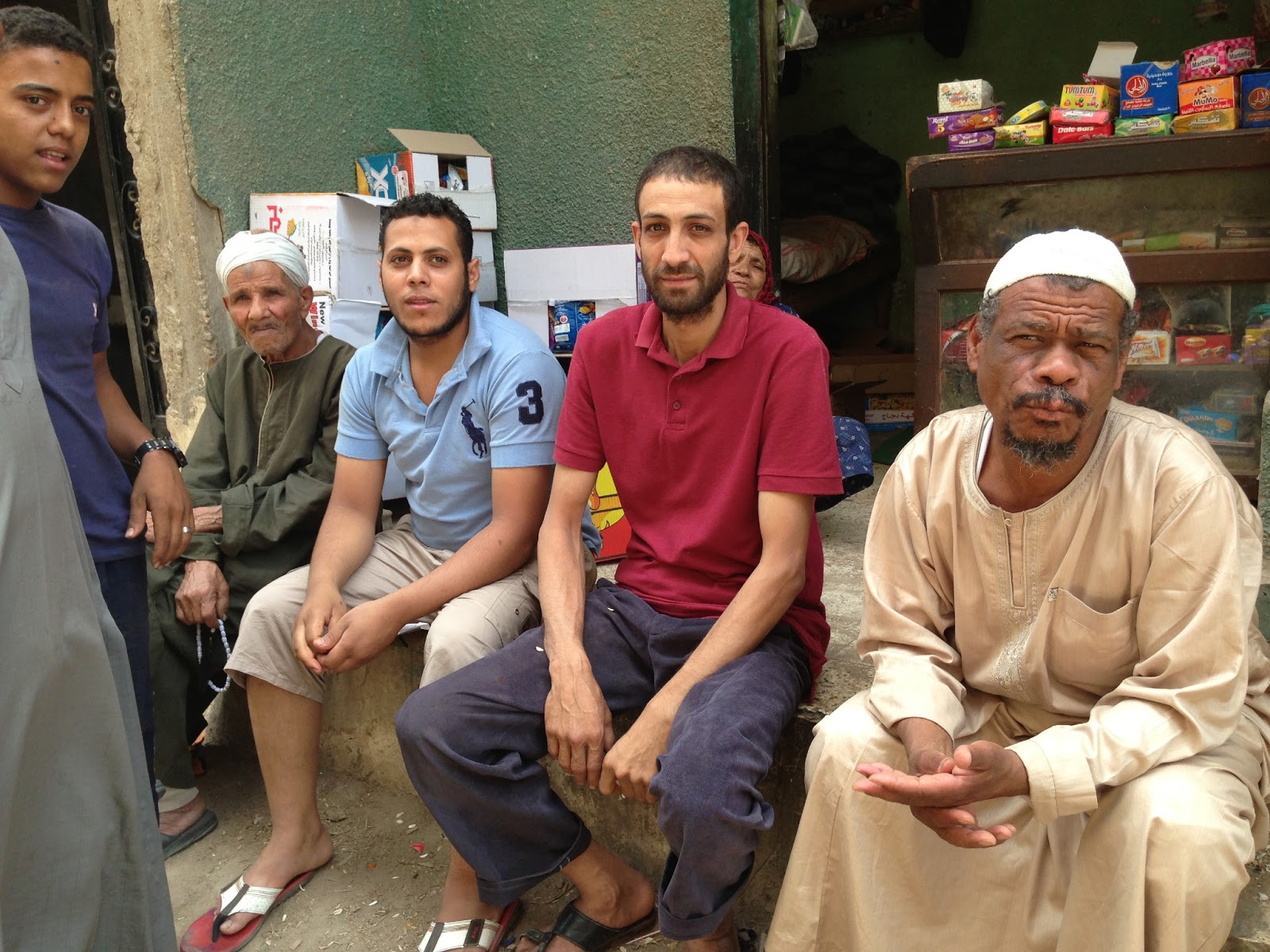
They are all looking for a 2nd 3rd or 4th wife! anyone interested? they asked me to post their picture!!!!

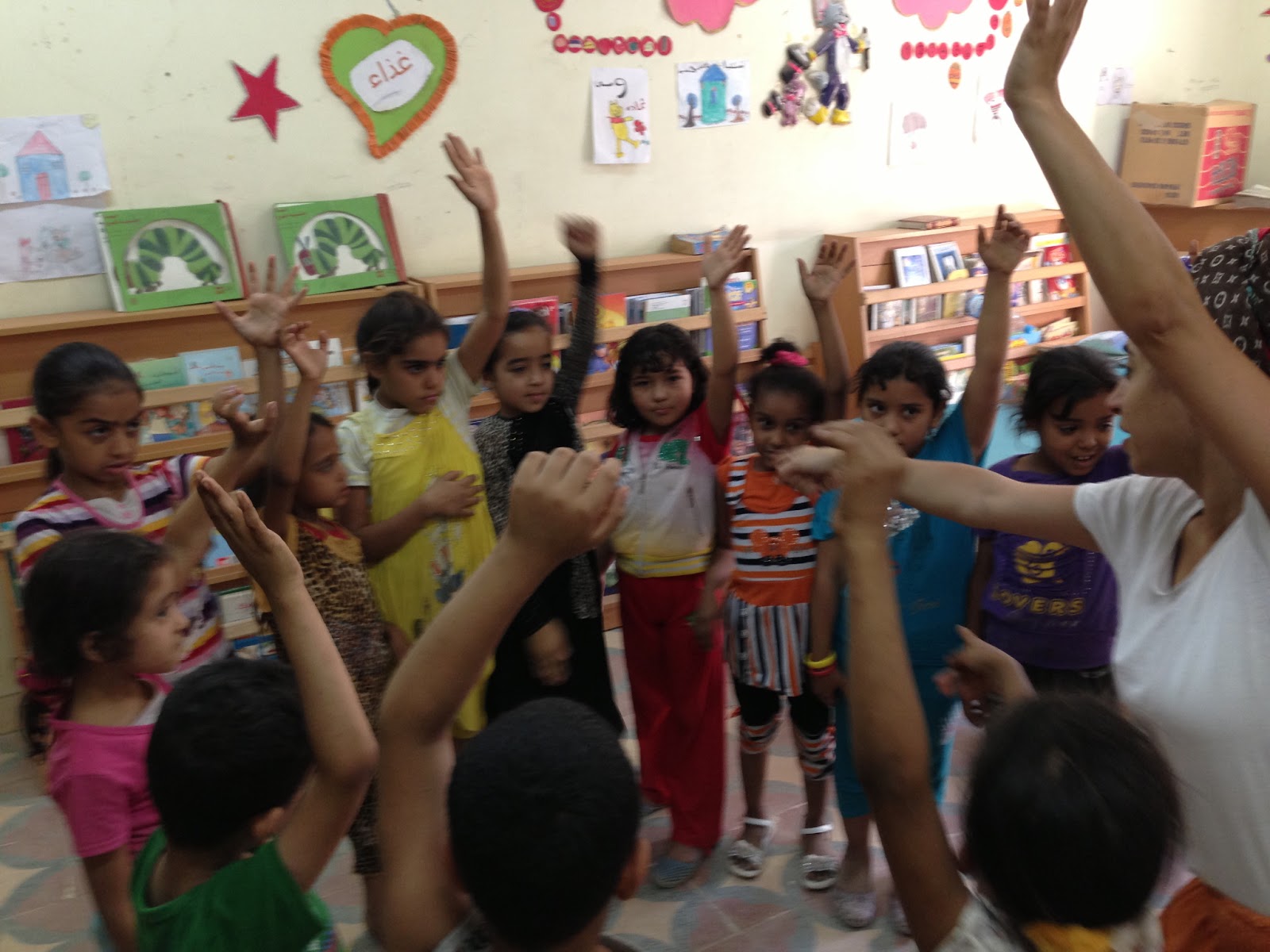
Then i started working with kids on different themes. mainly we focused a lot on animals! bodies, voices, attitudes etc…

when we all met in the big theatre space, the only way to get their attention was to mime and clown around!

and to tell them stories from the “flower’s garden” repertoire which they enjoyed very much!  pic by: Halim Al Chaarani
these are candles that he would like to have so he can get rid of darkness at night when there’s no electricity and when his father is away!
 
our goodbyes


Social Therapy with Syrian Refugees in the Bekaa – (Mercy Corps org) February 2013

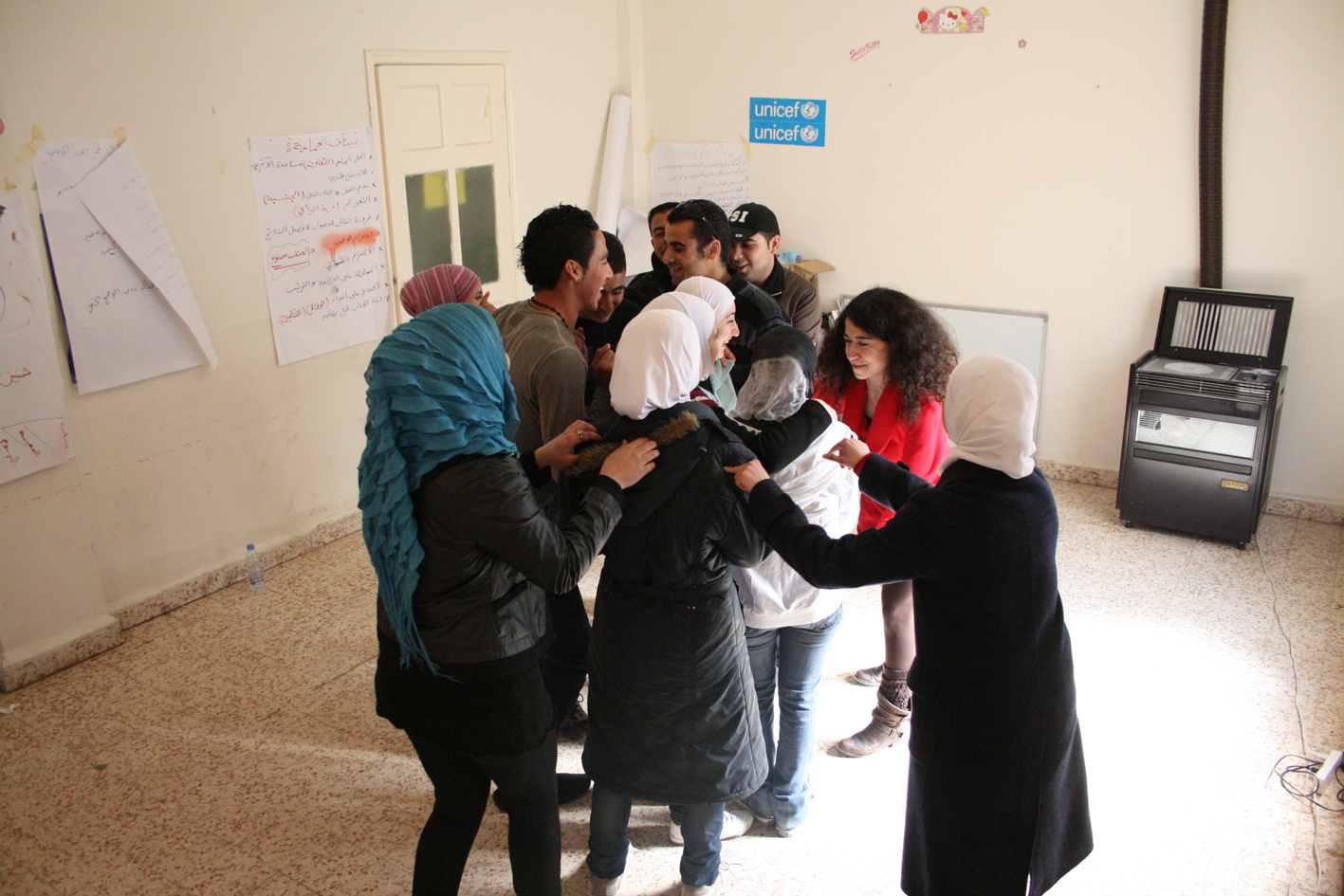
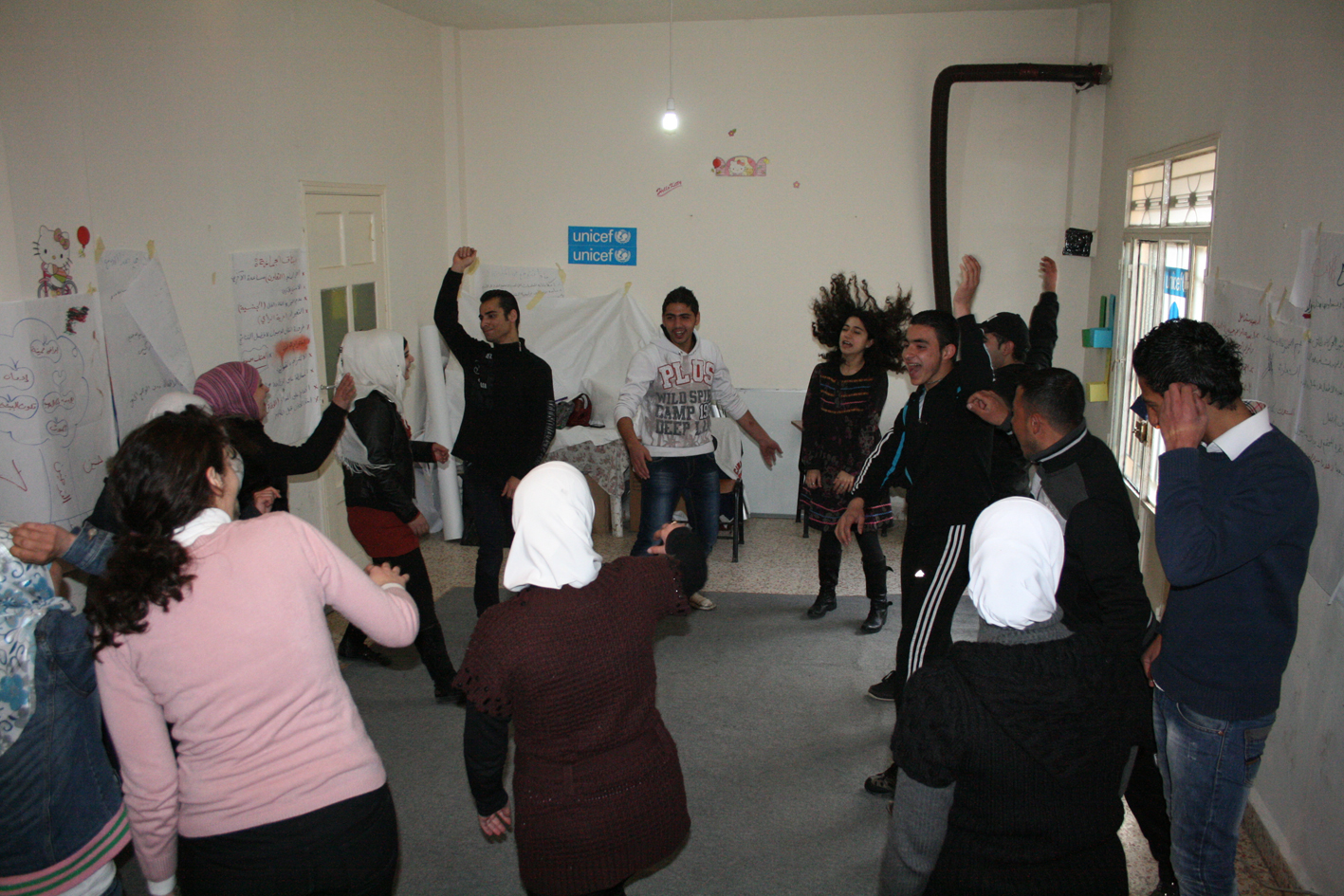
6 days of social therapy sessions and 6 other days of follow up with 14 Syrian Refugees ( age: 17 to 35) living in Baalbeck. Most of them had just moved to Lebanon in the past 3 to 4 months after facing harsh conditions in Syria.

The group was amazing and they were so good in creating the conditions of their own therapy.

The activities were divided into different parts, among which: collaboration and improvisation using means including music, theatre, poetry, community projects, sports, and storytelling.
Social therapy enables people to experience life in new ways. It does not seek to solve problems, but to help participants accept life’s difficulties and create practical, positive ways to deal with them which they surely did!

Mlawan Campaign (Flower’s garden) December 2012- Jan 2013

Mlawan is a campaign that encourages caregivers and children to lead a healthy lifestyle.

I had the pleasure of taking part of this campaign where I devised and performed

“Flower’s Garden”: a storytelling performance where kids are introduced to three stories about the beauty of nature, the strength of children, the importance of a healthy community life.
The performance is presented in an adventure like style where mime, clowning, circus techniques, hula hooping, role playing and physical theater merge in an interactive form.

We toured more than 30 schools and centers in Lebanon, performed for more than 4000 kids. Although the performance was very well received by kids who interacted with “flower” all the time I found it disgraceful to see teachers and school directors not knowing how to behave in a theatre.
Are they only used to pre recorded theatre productions?

The campaign is going to be launched again next month and flower’s garden will be touring again. I certainly will have a new rule!
ONLY kids will be allowed in the theatre 🙂

Karyat Al Insan (Drugs rehab center- Lebanon) November 2012

Clown Me In spent a month time with 20 guys who are trying to get emotionally and physically unattached to the use of drugs.

We did some clowning/storytelling and social therapy during one month. I would definitely say it was one the best experiences in rehab centers so far where we (as a group) were given the complete freedom to do everything we wanted with no restriction of any kind.

We surely had lots of fun during the workshop but also lots of true tough genuine moments.
I love these guys; they really taught me the importance of trust in a country where we always doubt everything and everybody.

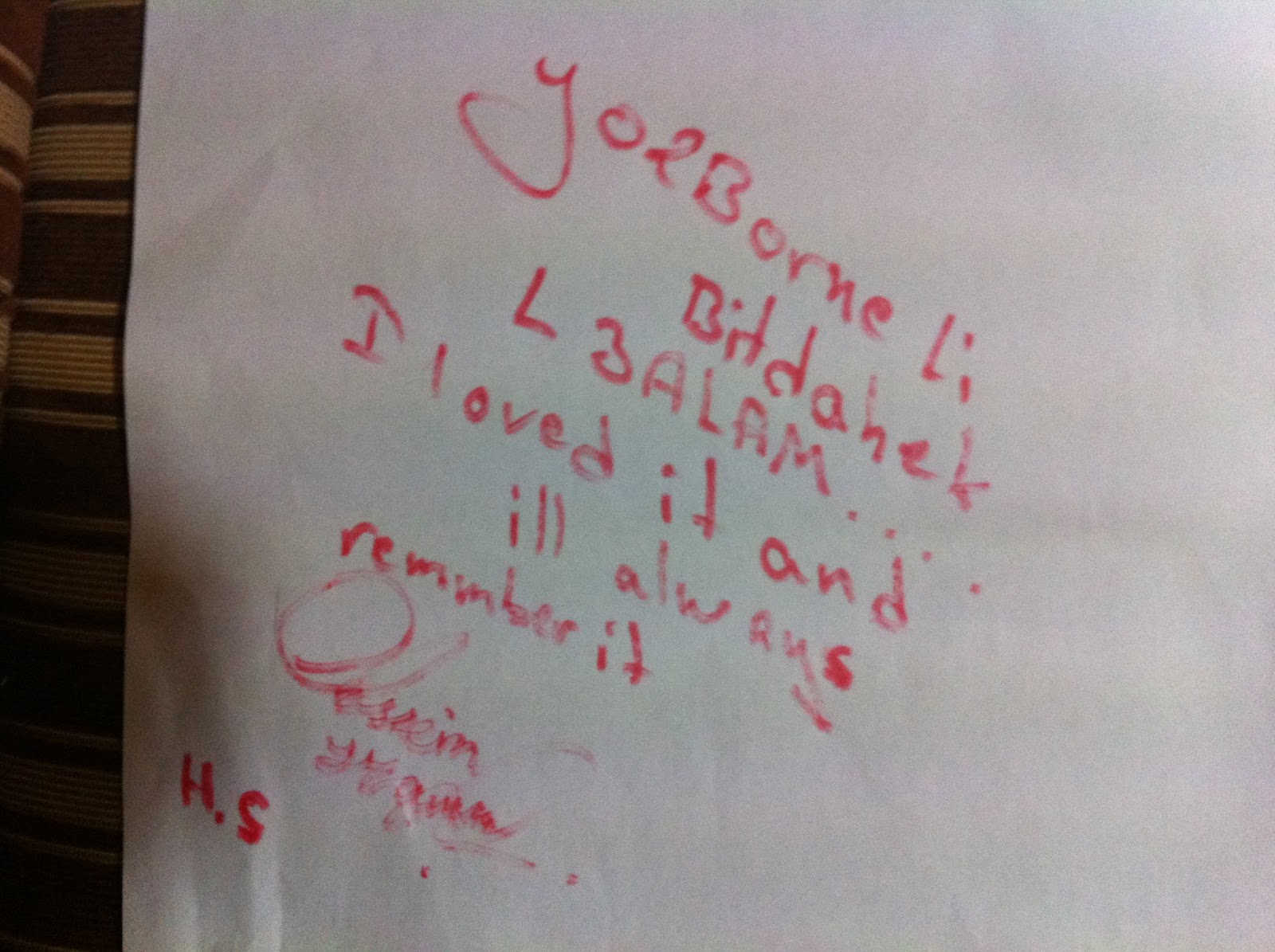
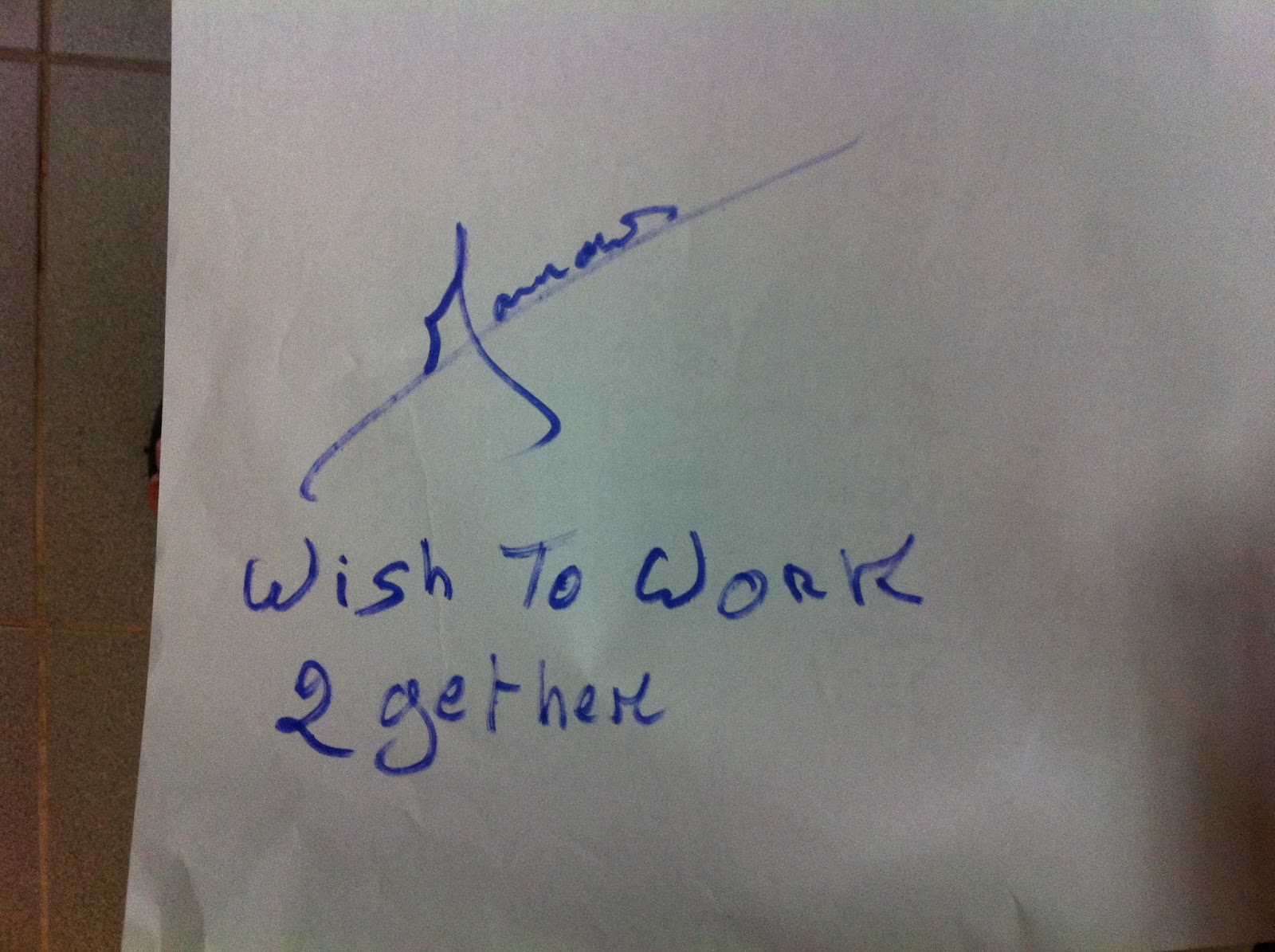
here are some notes i got when i left them.